
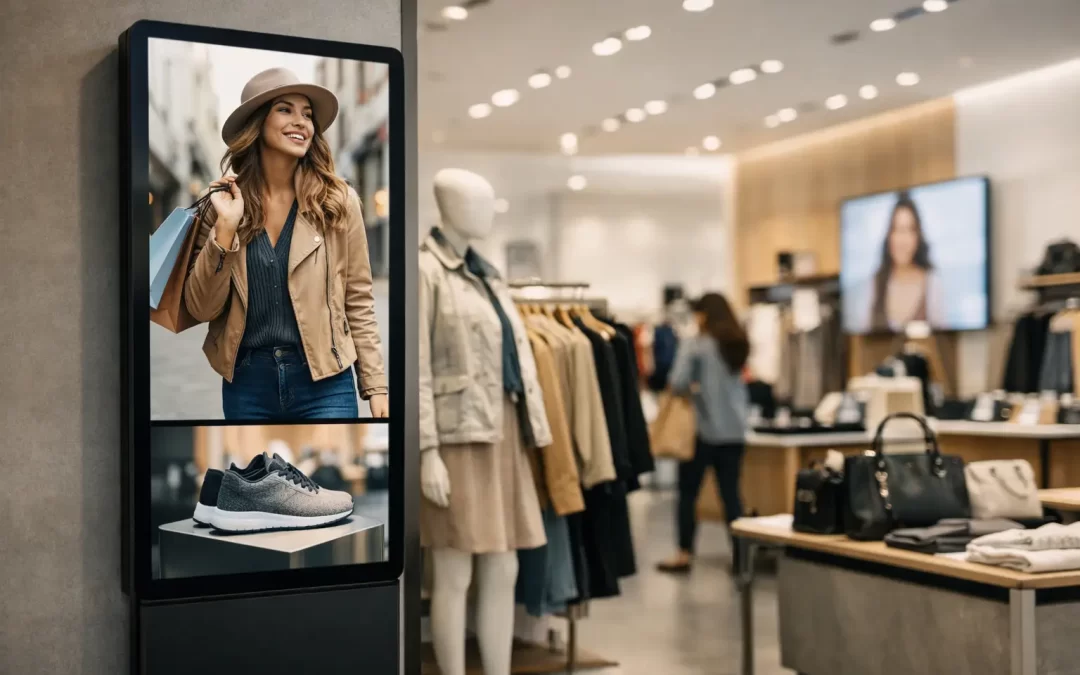
A screen that looks brilliant in a showroom can fall flat the second it faces direct sun, busy foot traffic and real retail trading hours. That is why choosing the best digital signage for retail is less about flashy specs and more about what actually gets noticed, stays reliable and is easy for your team to run without fuss.
Retail signage has one job before anything else – stop people. If it cannot cut through glare, movement and competing shopfronts, the rest does not matter. Once you start looking at signage through that lens, the buying decision gets much clearer.
What the best digital signage for retail really needs to do
Retailers usually start by thinking about screen size. Fair enough, because size is visible and easy to compare. But in most stores, brightness, placement and content control have a bigger impact on results than simply going larger.
A dim screen in a bright window is wasted money. A bright commercial display in the right position can pull attention from across the street and keep promotions fresh all day. The best systems are also simple to update, because if changing content is a chore, staff stop doing it and the screen turns into an expensive poster.
That is where commercial-grade signage earns its keep. It is built for long operating hours, repeated use and public-facing environments. Consumer TVs might look cheaper up front, but they are rarely designed for full-day display use, high-brightness shopfront conditions or easy remote content changes across multiple locations.
Start with the location, not the screen
Before you compare models, think about where the display will actually live. Retail signage generally falls into a few practical use cases, and each one points to a different type of hardware.
Shopfront windows
Window-facing signage needs serious brightness. If your display is competing with daylight, reflections and passing traffic, standard indoor screens often look washed out by mid-morning. For these locations, ultra-bright displays are usually the safer investment because they stay visible when conditions are working against you.
This matters most for fashion, hospitality, medical, phone repair, beauty and convenience retail where impulse traffic is everything. If the goal is to bring more customers in store, visibility from outside is non-negotiable.
In-store promotional zones
Inside the shop, the job changes slightly. Here, signage is often used to support upsells, highlight limited-time offers, explain products or create a stronger brand feel. Brightness still matters, but not to the same extreme as a window display.
In-store screens can be more flexible in format too. You might use a freestanding unit near the entrance, a fixed screen above shelving, or a larger display in a service area where customers are waiting.
Temporary retail activations and pop-ups
If you run seasonal campaigns, centre activations or event-based retail, portability becomes just as important as image quality. Battery-powered units and portable LED displays are useful here because they are quick to deploy and easier to move between sites.
For short-term promotions, hiring can make more sense than buying. That depends on how often you activate and whether you need the display for one campaign or as an ongoing asset.
The screen types worth considering
When people ask about the best digital signage for retail stores, they usually want a clear answer. The honest answer is that the right option depends on your frontage, your content and how often you need to move or update the unit.
Ultra-bright window displays
These are often the strongest choice for retailers who need to win attention from outside. The extra brightness helps your content remain visible in direct and indirect sunlight, which is where many lower-grade screens struggle.
They suit permanent shopfront installs and are especially effective when your store relies on walk-by traffic. If your promotion changes weekly or even daily, pairing that hardware with cloud-based content control makes the setup much more useful.
Freestanding digital posters
Freestanding displays are popular because they are easy to position and can often be installed without major fit-out work. They work well near entrances, in windows, at point-of-sale and in centres where flexibility matters.
The trade-off is space. If your floor area is tight, a freestanding unit needs to earn its footprint. In compact stores, a wall-mounted screen may be the smarter option.
Fixed commercial displays
For retailers wanting a clean permanent look, fixed displays are a practical choice. They are ideal for menu boards, promotional walls and branded content loops inside the store.
They are less flexible once installed, but they can be cost-effective and reliable for businesses with a clear layout and consistent signage objectives.
Portable and battery-powered signage
These displays are useful when power access is awkward or when the sign needs to move regularly. Think pop-up shops, expos, product launches or mobile promotional setups.
They are not always the first choice for a permanent retail window, but for campaign-based retail they solve a very real operational problem. Setup in minutes matters when staff are already juggling stock, customers and venue constraints.
Content management can make or break the investment
A great screen with clunky software becomes a headache very quickly. Retail signage should be easy to update, whether you are changing a sale offer, rotating seasonal campaigns or adjusting messaging across several locations.
Cloud-based content management is the practical answer for many businesses because it allows remote updates without needing someone on site every time. For multi-site operators, that saves time and keeps branding consistent. For single-store operators, it simply makes the screen easier to use.
Cost matters here too. Ongoing software subscriptions can quietly chip away at ROI. If your signage platform comes with no ongoing monthly software fees, that changes the value equation significantly. It means more of your budget goes into the hardware and the actual marketing outcome, not recurring admin costs.
Brightness, durability and support matter more than brochure promises
Retail environments are harsh on equipment. Long hours, dust, heat near glass, customer traffic and constant use all put pressure on the screen. That is why build quality should be part of the decision, not an afterthought.
Commercial-grade hardware is designed for this workload. It is not just about longevity. It is about consistency. A display that keeps performing through summer glare and extended trading hours is worth more than a cheaper unit that starts causing problems when you need it most.
Support matters for the same reason. If something goes wrong, you want access to local service, parts and repairs, not endless back-and-forth with an offshore help desk. For businesses in places like Brisbane, the Gold Coast, Sunshine Coast and Sydney, local backup can be the difference between a quick fix and a dead screen sitting in the window for a week.
How to choose without overbuying
The smartest retail buyers do not chase the biggest screen or the most complicated setup. They match the signage to the commercial outcome.
If your main goal is foot traffic, prioritise outward visibility and high brightness. If your goal is in-store promotion, focus on placement and ease of content updates. If you run frequent campaigns or activations, portability and flexible acquisition options matter more.
Buying is not the only path either. Some retailers are better served by hiring for short-term campaigns or using lease-to-own options to spread cost while still getting quality equipment. That approach can make sense when cash flow matters but poor signage is already costing you visibility.
A live demo is also worth far more than another spec sheet. Seeing the display in action, checking brightness with your own eyes and understanding how content is updated gives you a much better read on whether the setup will work in your store.
The best retail signage is the one your team will actually use
There is a practical truth in all of this. The best signage system is not the one with the longest feature list. It is the one that is bright enough to get noticed, simple enough to update, durable enough to keep running and backed by people who can help when needed.
That is why retail businesses often get better results from straightforward commercial signage than from cheaper DIY options. Less fiddling. Less downtime. More visibility where it counts.
If you are weighing up the best digital signage for retail, think less about the showroom pitch and more about your busiest trading day. Picture the sunlight, the passing traffic, the staff workload and the speed at which promotions change. Choose the screen that still makes sense in that real-world setting, and you will be much closer to a display that earns its place every day.
Recent Comments