
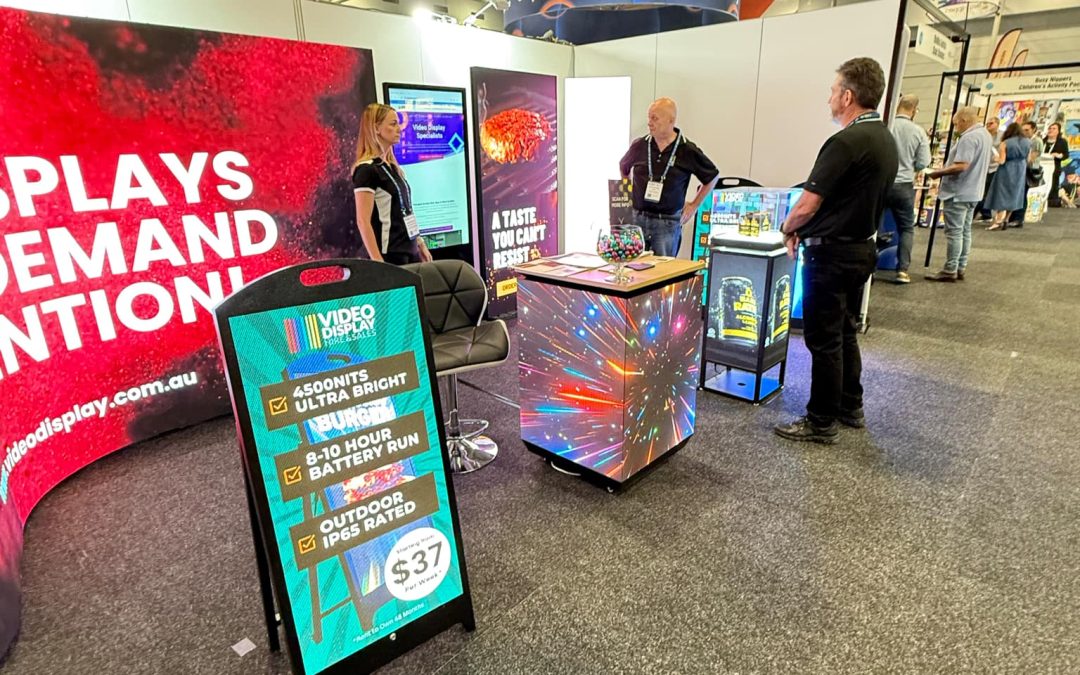
If your screen disappears the moment the sun hits it, or your event setup turns into a wiring headache an hour before guests arrive, the problem usually is not the content. It is the hardware, the placement, or the hire setup. That is where smart digital video display hire earns its keep. A good display should be bright enough to stop people, simple enough to run without fuss, and reliable enough that you are not chasing fixes on the day.
For business owners, marketers and event teams, hiring a display is often the fastest way to create impact without locking into a full purchase straight away. It lets you test what works in your space, support a short campaign, or lift the profile of a one-off event with commercial-grade screens that are built to be seen.
When digital video display hire makes the most sense
Not every business needs to buy a screen on day one. If you are running a pop-up, a seasonal promotion, an expo stand, a product launch or a wedding, hire is often the practical choice. You get the visual impact without carrying the full upfront cost of ownership for something you may only need occasionally.
It is also a strong option when you are trialling digital signage before committing to a permanent install. A lot of operators know they need better visibility, but they are not yet sure whether a portable LED poster, a battery-powered display, or a larger outdoor screen is the right fit. Hiring first removes a lot of that guesswork.
For multi-site campaigns, hire can be useful when timing matters more than long-term asset planning. If the goal is to get a message live quickly across a retail promotion or event circuit, speed and simplicity matter just as much as screen size.
What separates a useful hire screen from a disappointing one
Brightness is usually the first thing that matters. Plenty of consumer TVs look fine in a dim room and hopeless near a shopfront window, under venue lighting, or outside during the day. Commercial-grade ultra-bright displays are built for those tougher environments. That difference is not minor. It decides whether people actually notice your message or walk straight past it.
The second factor is ease of setup. If the display needs a specialist just to change a playlist or sort out basic content, it becomes a burden very quickly. A well-designed hire solution should be plug-and-play, quick to position, and straightforward to update. For busy teams, that simplicity saves time and reduces risk.
Then there is reliability. Events and promotions have fixed dates. If a screen fails, there is no easy second chance. That is why local support matters. Fast help, replacement parts, and responsive service are not extras. They are part of the value.
Choosing the right digital video display hire for your job
The right format depends on where the screen will sit, how long it will run, and what job it needs to do.
For storefronts and indoor retail promotions, a high-brightness freestanding display often makes the most sense. It gives you movement, colour and promotional flexibility without requiring a full fitout. If you are pushing limited-time offers, new arrivals or seasonal trading messages, that kind of screen can do a lot of heavy lifting near the entrance.
For expos, conferences and activations, portable LED screens work well because they are designed to travel, set up quickly and create presence in crowded environments. They help exhibitors look established and polished without building a complicated stand.
For outdoor events, festivals or venues with high ambient light, brightness and weather suitability matter far more than sleek styling. This is where many businesses choose the wrong product. A screen that works beautifully indoors may struggle badly outside. If the display is going near direct light, open-air conditions or high-traffic public space, ask for a solution designed for those conditions from the start.
Battery-powered displays are another strong option when access to power is awkward or where cords create trip hazards and visual clutter. They are especially useful for entry points, temporary activations and spaces where mobility matters.
The real commercial value is not the screen alone
A hire display only pays off when it helps you do one of three things – bring more people in, keep them engaged for longer, or move them towards action. That could mean promoting a lunch special outside a venue, rotating sale messages through the day, reinforcing sponsorships at an event, or giving guests clear directions and information.
Static signage still has a place, but digital gives you timing, flexibility and stronger visual pull. You can change offers by the hour, promote different products across the day, and respond to weather, traffic or event schedules without reprinting a thing. That is where return on investment improves. The display keeps working while your message adapts.
This matters even more for operators who run frequent campaigns. Printing costs add up. So does the time spent replacing posters, coordinating artwork versions and dealing with outdated messaging left on display too long. A cloud-based content system simplifies that process and gives you far more control, especially if there are no nasty ongoing monthly costs attached to the software.
Questions worth asking before you hire
Before you lock anything in, be clear on visibility. Ask where the screen will sit, what light conditions it will face, and how far away people will be when they see it. A display viewed from two metres inside a foyer is a very different job to one attracting passing traffic from the street.
Ask how content is updated. If you need to change promotions quickly, the process should be easy enough for your team to handle without back-and-forth delays. Also ask what support looks like if something goes wrong. On-the-day responsiveness matters more than promises made in a brochure.
It is also worth asking whether the screen can be demonstrated first. Seeing a live unit often answers the most important questions quickly. You get a feel for brightness, size, image quality and usability in a way that spec sheets cannot fully show.
Hire versus buy – it depends on your timeline
If you need a screen for a one-off event, a short campaign, or a trial in a new location, hire is usually the obvious move. It keeps spending flexible and lets you focus on the immediate result.
If you are planning to run daily promotions in a permanent setting, buying can make more sense over time. The upfront cost is higher, but the long-term value improves if the screen is working for you every day. For some businesses, lease-to-own sits in the middle nicely. It spreads cost while still moving you towards ownership.
There is no universal answer here. The best choice depends on usage, campaign frequency, available budget and how certain you are about the format you need. A practical supplier should be honest about that rather than pushing one path for every customer.
Why local support changes the experience
A screen is only useful if it performs in the real world. That is why local service support matters so much, especially for businesses and organisers working to fixed dates. If you are running an activation in Brisbane, the Gold Coast, the Sunshine Coast or Sydney, having support that understands the local market and can respond quickly is a genuine advantage.
It also makes planning easier. You can talk through access, transport, venue conditions and content requirements with people who have done it before. That reduces mistakes and helps match the right display to the job, rather than simply hiring out whatever unit happens to be available.
At its best, digital signage should feel simple. Setup in minutes. Content you can control. Brightness that actually cuts through. Support that shows up when needed. That is the standard worth expecting.
If you are considering digital video display hire, think less about the screen as a piece of tech and more about the result you need on the day. More foot traffic, stronger promotion, clearer communication, better presence – that is the real brief. Start there, and the right display choice becomes much easier.